
GAABS Blog
BeSci News, Insights and Updates
Sharing the insights, news and updates to support behavioural science practitioners in solving real-world problems.

Decision Science in Service to All: Making Behavioural Science Work in Government
Behavioural Science in Government: The Work of Translation
Why does good behavioural science sometimes struggle to make an impact in government?
The challenge is often not the research itself, but the translation gap between researchers and policymakers. Behavioural science is usually a supporting function, meaning researchers need to understand the language, processes and constraints of the organisation they are working within.
Experiences from the SEC and FDA show that lasting impact comes from more than one-off projects. Standing capacity, long-term relationships and patience allow behavioural science to become part of how an organisation works.
Six principles stand out: build relationships, learn the domain, stay committed when projects stall, be theory-informed rather than theory-driven, share practical lessons, and ensure agencies resource follow-up research.
Ultimately, success is not just about publications. It is about public impact — including the often invisible work that makes something that should be simple actually work.
Translation matters more than theory. Institutional capacity beats episodic projects.
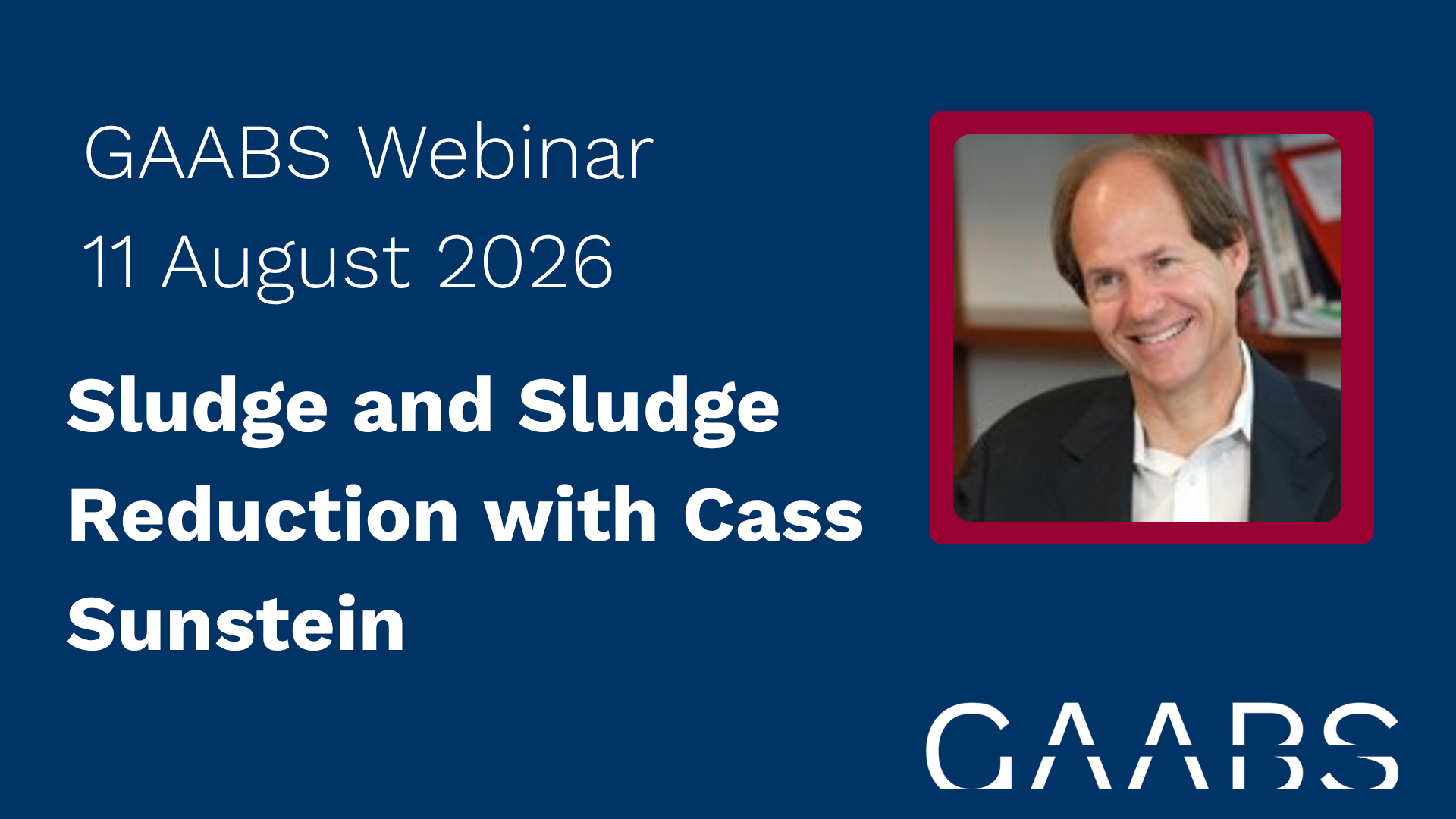
Allergic to Sludge? Finding and Removing it from Your Organisation
In a recent GAABS conversation, Harvard Professor Cass Sunstein explored how behavioural science practitioners can identify and reduce sludge — the unnecessary administrative friction that makes everyday processes harder than they need to be. From measurement to auditing processes, to securing leadership buy-in to deciding which friction is justified and which needs to go, Sunstein provides leading-edge advice and counsel for practitioners.

From "Made in China" to Market Leader: How Chinese Carmakers Out-Engineered a Nation's Biases
Why did millions of consumers stop seeing "Made in China" as a warning sign and start seeing it as a smart choice?
This isn't just a story about cheaper cars or better technology. It's a fascinating case study in how behavioural science can overcome deeply ingrained consumer biases. By understanding loss aversion, social proof, signalling, and attribute substitution, Chinese carmakers didn't simply persuade buyers—they systematically reduced the fears that were stopping them from buying in the first place.
Discover how one of the biggest shifts in the automotive market became a masterclass in changing behaviour, one bias at a time.

From the “Hand of God” to the Video Assistant Referee
Did VAR solve football's biggest refereeing problem—or expose an even bigger challenge? Using Diego Maradona's infamous "Hand of God" goal as a starting point, this article explores what behavioural science reveals about dishonesty, procedural justice, and why accurate decisions alone aren't enough to build trust. From football to AI, discover why understanding how decisions are made matters just as much as getting them right.
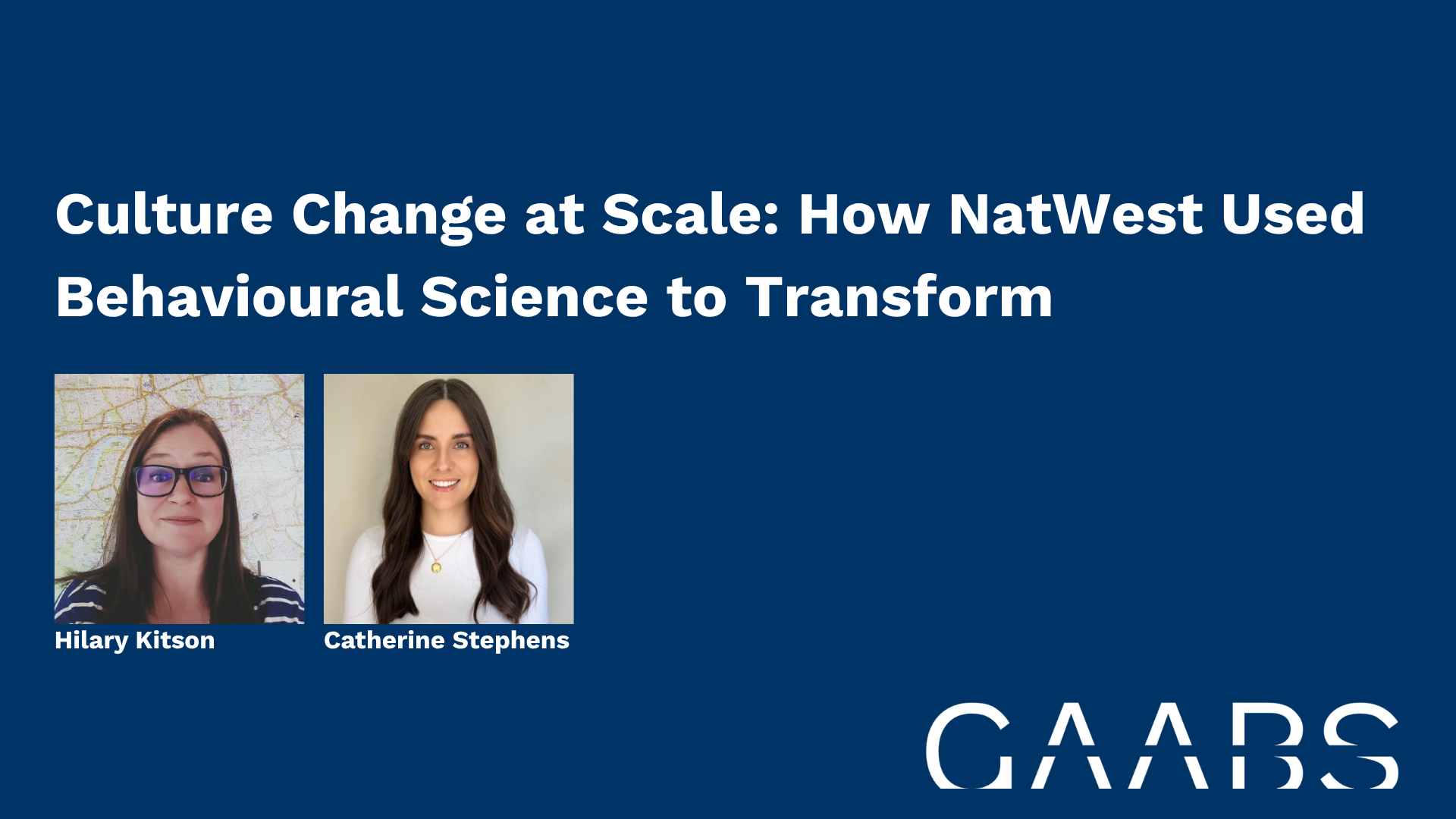
Culture Change at Scale: How NatWest Used Behavioural Science to Transform
Former GAABS board chair, Steve Martin, hosted a webinar for behavioural science practitioners with two senior executives from NatWest Group who are currently leading a transformative culture change initiative grounded in applied behavioural science: 1) Hilary Kitson, Group Chief Operating Officer Designate, and 2) Catherine Stephens, Director of Culture. Together they painted a picture of their practical experiences of implementing behavioural science principles across one of the UK's largest financial services organisations.
Submit Your Article to GAABS’ Editorial Board
Find out more about the kinds of submissions that GAABS accepts for review.
GAABS works with an all-volunteer Editorial Board to surface information believed to be of value to practitioners of behavioural science, but makes no warranties about the accuracy, completeness, or reliability of published content. Views expressed and representations related to data, findings and case studies are solely the responsibility of individual authors.